



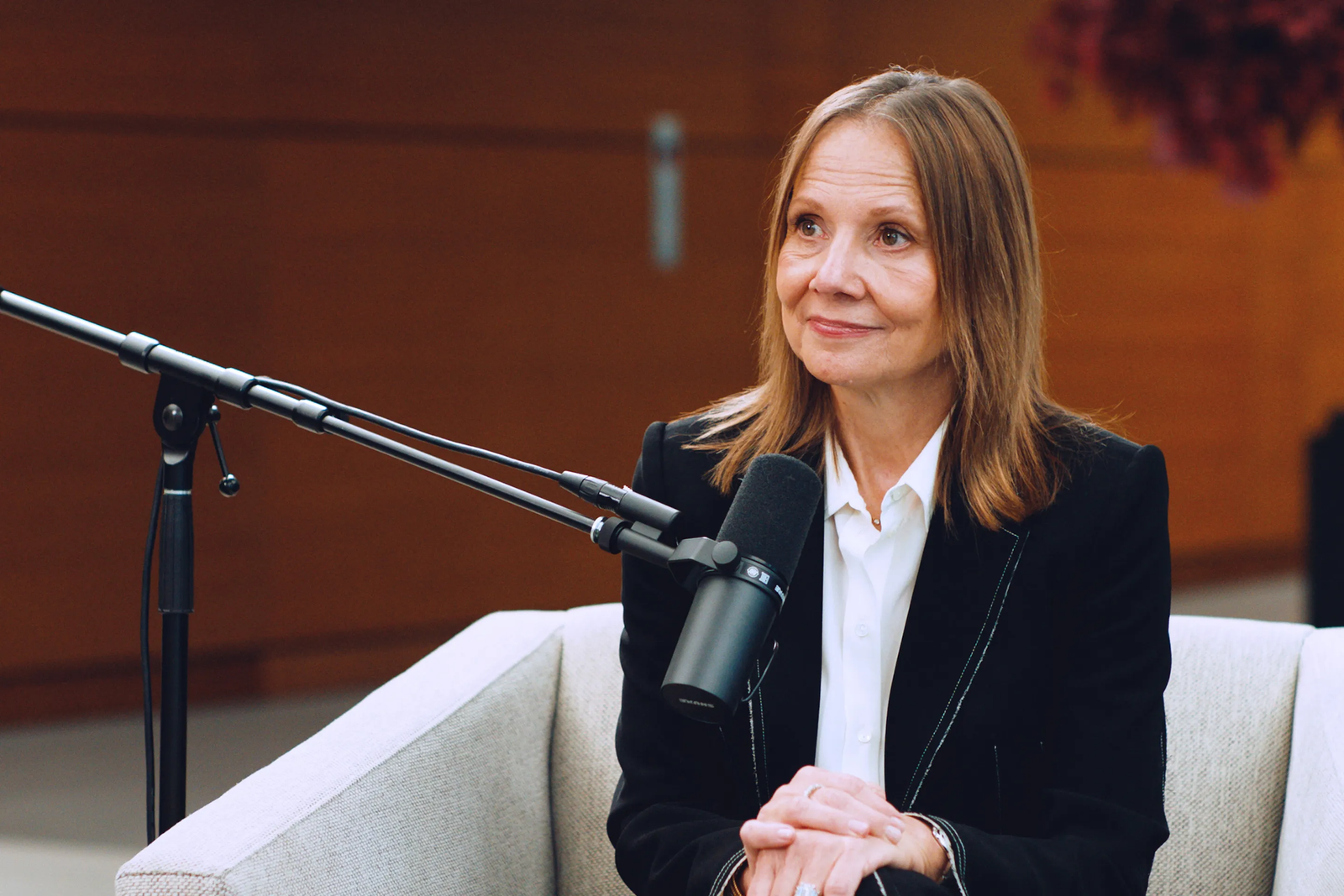
Modern corporate leadership demands vision, resilience, and adaptability. Today, top executives face fast-changing technology, shifting consumer expectations, and global market pressures. Two corporate leaders stand out as powerful examples of modern executive excellence: Mary Barra and David Cordani.
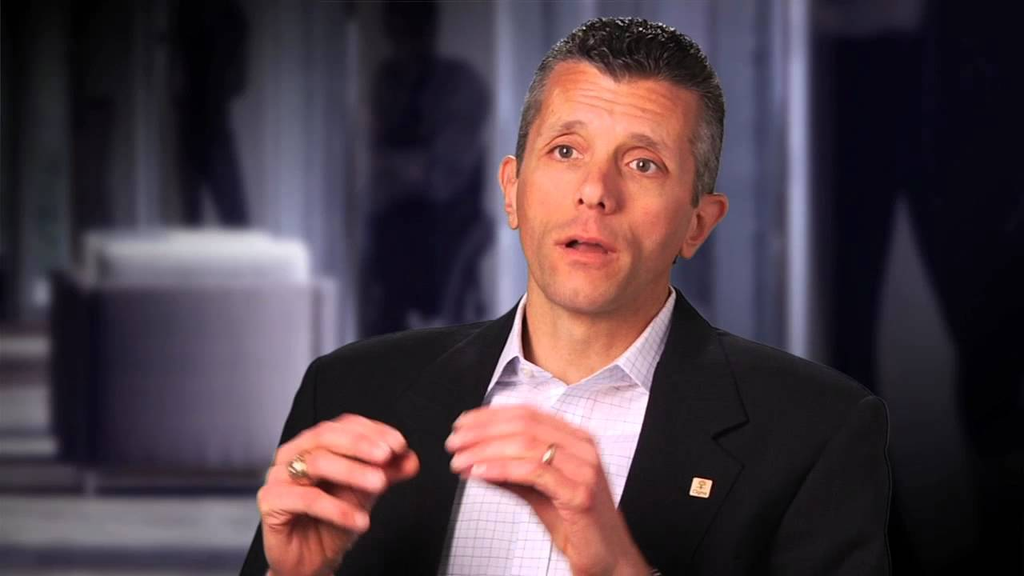
Mary Barra leads General Motors (GM) as Chairman and Chief Executive Officer. David Cordani serves as the Chairman and Chief Executive Officer of The Cigna Group. While they operate in vastly different sectors—automotive manufacturing and healthcare services—their leadership strategies reveal striking similarities. Both executives transformed traditional corporate giants into agile, forward-looking powerhouses.
This article explores the corporate journeys, strategic visions, and leadership styles of Mary Barra and David Cordani. By examining their impact on their respective industries, we discover valuable lessons for modern management, corporate transformation, and sustainable business growth.
The Rise of Two Visionary Executives
Understanding the success of Mary Barra and David Cordani requires looking at their professional roots. Neither leader achieved success overnight. Both executives built their careers from the ground up through dedication, deep domain expertise, and consistent performance.
Mary Barra: A Lifelong Commitment to Innovation
Mary Barra began her career at General Motors in 1980 as a co-op student at the General Motors Institute (now Kettering University). She checked fender panels and inspected plant operations to fund her college tuition. Over four decades, she moved through various engineering, plant management, and administrative roles.
Barra earned a bachelor’s degree in electrical engineering and later obtained an MBA from Stanford Graduate School of Business. Her vast experience across technical and managerial departments gave her an unmatched understanding of GM’s operational strengths and internal challenges. In 2014, the board named Mary Barra Chief Executive Officer, making her the first female CEO of a major global automaker.
- Key milestones in Mary Barra’s early career include:
- Joining GM in 1980 as an engineering co-op student.
- Rising through manufacturing, engineering, and human resource management roles.
- Serving as Vice President of Global Product Development, where she streamlined vehicle platforms.
- Becoming CEO in 2014 and Chairman of the Board of Directors in 2016.
David Cordani: Building a Global Healthcare Giant
David Cordani joined Cigna in 1991. Like Barra, he spent decades inside his company before reaching the top executive post. Cordani held key roles in corporate finance, regional sales, and clinical operations. His well-rounded background helped him see how financial strategy connects with real-world patient care.
Cordani earned his bachelor’s degree in accounting from Texas A&M University and later completed his MBA at the University of Hartford. He rose to the position of President and Chief Operating Officer before becoming Cigna’s Chief Executive Officer in 2009. Under his guidance, Cigna expanded from a domestic health insurance provider into a global health services organization.
- Key milestones in David Cordani’s career include:
- Joining Cigna in 1991 in corporate financial roles.
- Leading the company’s customer segment operations and sales teams.
- Taking over as Chief Executive Officer in 2009.
- Architecting the transformative $67 billion acquisition of Express Scripts in 2018.
Strategic Vision and Corporate Transformation
Great leaders do not just manage current operations; they reshape their entire industry for the future. Both Mary Barra and David Cordani led bold strategic pivots that redefined what their companies do.
Mary Barra and the Electric Future of Automotive Transport
When Mary Barra took the helm at GM, the company faced major operational inefficiencies and reputational challenges. She immediately prioritized accountability, transparency, and product quality. Beyond fixing operational flaws, she envisioned a revolutionary future for mobility.
Barra committed GM to a clear bold goal: a world with zero crashes, zero emissions, and zero congestion. To achieve this, she made difficult choices. She pulled GM out of unprofitable global markets, such as Western Europe, to free up capital for future technologies. She poured billions of dollars into electric vehicle (EV) development, battery technology (Ultium platform), and autonomous vehicle technology (Cruise).
- Core pillars of Mary Barra’s business strategy:
- Capital Allocation: Exiting unprofitable markets to fund high-growth technology projects.
- EV Ecosystem: Investing heavily in proprietary battery technology and manufacturing plants.
- Autonomous Driving: Securing early investments in self-driving tech to capture future service markets.
- Cultural Shift: Replacing bureaucratic corporate red tape with simple direct rules like “dress appropriately.”
David Cordani and the Health Services Evolution
When David Cordani became CEO of Cigna, traditional health insurance models faced immense public pressure and rising healthcare costs. Cordani realized that insurance companies could not just pay medical bills; they needed to actively manage patient health and improve healthcare quality.
Cordani shifted Cigna’s business model toward value-based care. Instead of paying doctors based on the volume of visits, Cigna rewarded healthcare providers for delivering positive patient health outcomes. Furthermore, Cordani orchestrated the landmark acquisition of Express Scripts in 2018. This massive deal united health insurance with pharmacy benefit management, creating a comprehensive health services giant known as The Cigna Group.
- Core pillars of David Cordani’s business strategy:
- Value-Based Care: Aligning healthcare provider pay with actual patient wellness and health metrics.
- Integrated Health Services: Combining pharmacy management, clinical insights, and insurance coverage.
- Global Expansion: Extending health services and coverage to international markets.
- Digital Health Innovation: Investing in telehealth, digital platforms, and predictive analytics to manage chronic diseases early.
Comparing the Leadership Styles of Mary Barra and David Cordani
While their industries differ, Mary Barra and David Cordani use very similar leadership frameworks. Both leaders emphasize active communication, strong customer focus, and clear accountability.
+--------------------------+--------------------------------------+--------------------------------------+
| Leadership Attribute     | Mary Barra (General Motors)          | David Cordani (The Cigna Group)      |
+--------------------------+--------------------------------------+--------------------------------------+
| **Primary Focus**        | Zero emissions, zero crashes, zero   | Accessible, affordable, and holistic |
|                          | congestion through EVs and tech      | healthcare services                  |
+--------------------------+--------------------------------------+--------------------------------------+
| **Core Strategy**        | High-tech transformation & platform  | Value-based care & integrated services|
|                          | unification                          | acquisition                          |
+--------------------------+--------------------------------------+--------------------------------------+
| **Decision-Making Style**| Analytical, candid, engineering-     | Purpose-driven, energetic, customer- |
|                          | focused, transparent                 | centric, collaborative               |
+--------------------------+--------------------------------------+--------------------------------------+
| **Culture Philosophy**   | Ownership, accountability, breaking  | Team empowerment, wellness, customer |
|                          | down legacy silos                    | partnership                          |
+--------------------------+--------------------------------------+--------------------------------------+
Direct Communication and Accountability
Mary Barra is famous for her straightforward approach to corporate communication. She encourages employees to take personal ownership of their work. During the GM ignition switch crisis early in her tenure as CEO, Barra confronted the problem directly. She appeared before Congress, apologized openly to victims’ families, and overhauled internal safety reporting structures. She taught her organization to tackle bad news directly instead of hiding it.
David Cordani uses an energetic, collaborative communication style. As an accomplished athlete who competes in triathlons, Cordani brings disciplined energy to his corporate message. He communicates a clear, empathetic mission: improving the health, well-being, and peace of mind of the people Cigna serves. He constantly reminds his teams that every corporate decision ultimately affects a real human life.
Customer-Centric Business Design
Both leaders align their operations around customer needs rather than internal corporate history.
- Barra’s Approach: Barra designs vehicles based on user experience, digital connectivity, and safety. She pushes GM to think like a technology software company that happens to make cars.
- Cordani’s Approach: Cordani focuses on reducing health friction. He uses data analytics to predict medical risks, lower out-of-pocket prescription costs, and make healthcare easier to navigate for everyday people.
Navigating Major Crises and Market Shifts
A leader’s true test occurs during moments of global disruption. Both Mary Barra and David Cordani demonstrated exceptional skill during periods of severe industry stress and economic volatility.
Leading Through Global Disruption
During the COVID-19 pandemic and subsequent supply chain shocks, both executives responded with rapid adjustments:
- Agile Operational Pivots:
- Under Barra’s leadership, GM swiftly re-tooled manufacturing plants to produce life-saving ventilators and medical masks within weeks.
- Under Cordani’s leadership, Cigna quickly expanded telehealth coverage, covered patient testing costs, and offered mental health support resources worldwide.
- Supply Chain Resilience:
- Barra managed global semiconductor shortages by prioritizing high-margin trucks and securing direct agreements with chip manufacturers.
- Cordani managed global pharmaceutical supply chains to ensure uninterrupted access to critical medications for millions of patients.
- Adapting to Technological Shifts:
- Barra continues to navigate the complex shift toward software-defined electric vehicles despite market adoption fluctuations.
- Cordani leverages artificial intelligence and machine learning to analyze medical data, streamline claim approvals, and deliver personalized health plans.
Key Business Takeaways for Future Leaders
The corporate strategies of Mary Barra and David Cordani provide powerful management insights for entrepreneurs, corporate leaders, and executives across all industries.
1. Master the Internal Culture First
A company cannot transform its products or services without first changing its culture. Mary Barra eliminated deep-seated bureaucracy by promoting transparency and direct accountability. David Cordani built a unified culture across merged health enterprises by constantly focusing on patient care.
2. Make Hard Strategic Choices Early
Both CEOs proved that real leadership requires making tough trade-offs. Barra sold off historic but unprofitable international divisions to fund future electric vehicle tech. Cordani expanded far beyond traditional health insurance into complex pharmacy services to stay competitive. Great leaders invest in tomorrow’s growth, even when it creates short-term friction today.
3. Combine Technical Knowledge with Financial Discipline
Barra’s background in engineering and Cordani’s background in accounting gave both leaders a decisive edge. They understand the operational nuts and bolts of their organizations while maintaining tight control over capital allocation and cash flow.
4. Ground Vision in Human Purpose
Whether manufacturing safer electric cars or providing accessible healthcare services, both executives connect corporate performance to a broader social purpose. Purpose-driven strategies engage employees, build brand loyalty, and create lasting shareholder value.
Summary: The Enduring Legacy of Modern Business Leadership
The careers of Mary Barra and David Cordani illustrate how effective leaders navigate rapid industrial change. Through deep company experience, disciplined capital management, and bold strategic visions, both executives successfully transformed traditional corporations into forward-thinking, resilient global leaders.
As technology continues to reshape manufacturing and healthcare, the principles demonstrated by Barra and Cordani will serve as standard models for corporate management. Their ability to balance short-term operational execution with long-term strategic transformation proves that clear vision, human empathy, and strong discipline drive lasting corporate success.